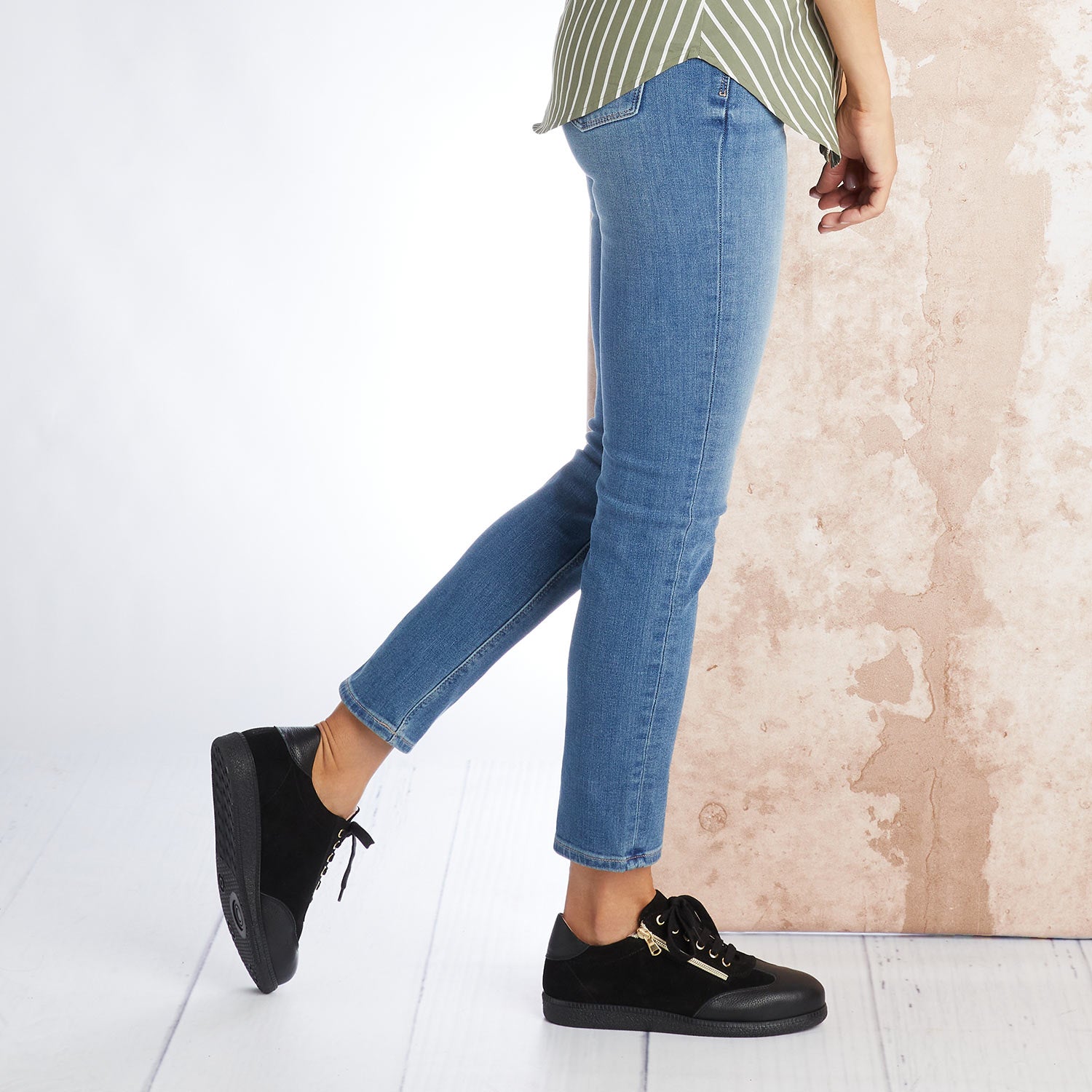
Best Shoes for Menopause: Comfort, Support & Relief

Jump to contents

If you have any questions about finding the best shoes for your feet, please contact our Customer Care team who are highly knowledgeable and here to help!

Monday to Friday 9am - 5pm UK time.
get in TOUCH
Jump to contents

If you have any questions about finding the best shoes for your feet, please contact our Customer Care team who are highly knowledgeable and here to help!

Monday to Friday 9am - 5pm UK time.
get in TOUCH

Best Shoes for Menopause

Menopause brings a whole range of changes - from fluctuating hormones to unexpected hot flushes - and for many, that can mean changes to your feet too. The good news? The right shoes can make a big difference. While we can’t promise to turn back the clock, our selection of comfortable, supportive shoes for menopause could bring you the relief and confidence you’re looking for. Read on to discover more about our menopause shoes

Article media image
Article media image
Article media image

Hero: Black Leather - Menopause Shoes

SHOP NOW

Why Does Menopause Affect Your Feet?

During menopause your hormones can wreak havoc on your body, and with the decline of essential hormones such as oestrogen - the “goddess” hormone - you may begin to notice some physical changes, including menopause foot pain. 


As oestrogen levels drop, collagen production also decreases and the skin’s elasticity reduces. Oestrogen plays a vital role in maintaining skin hydration, thickness, and elasticity by supporting collagen synthesis and healthy blood flow. It also helps regulate cholesterol levels and supports bone density, so its decline can affect everything from skin and joint health to overall cardiovascular wellbeing.


The result? Menopause foot pain, triggered by bone density loss, thinning of the natural foot padding, and even weight gain. These can include flat feetplantar fasciitisbunions, and other painful conditions that make supportive shoes more important than ever. Soon we will show you the best menopause shoes.

Article media image
Article media image
Article media image

Pixie: Black Leather & Suede - Menopause Foot Pain Shoes

SHOP NOW

Symptoms of Menopause Foot Pain

If you’re experiencing menopause plantar fasciitis or general menopause foot pain, you may be noticing one or several symptoms. For example, thinning skin around the heel can lead to cracked heels and calluses, which may be more vulnerable to infections. There are often lots of foot changes during menopause.


The loss of fat padding in the feet can also cause heel pain, as the natural cushioning in the balls and heels of your feet decreases. And that burning or tingling sensation? That’s often due to changes in nerve sensitivity, sometimes linked to reduced oestrogen and changes in blood flow, making your feet more reactive to pressure or temperature.


You may also notice more varicose veins – those swollen, twisted veins under the skin – which can be influenced by hormonal changes that affect blood vessel elasticity and circulation.


But it isn’t just your skin that may be feeling different – menopause can also contribute to other conditions that might require long-term medical or orthopaedic care. Weight gain is common during menopause due to a slowing metabolism and changes in fat distribution. The extra weight can put more pressure on your feet, leading to conditions such as plantar fasciitis (inflammation of the ligament in the arch of the foot), heel spurs (bony growths that often develop alongside plantar fasciitis), and fluid retention, which can cause swelling in the feet and ankles.


You may also notice your arches collapse, as the drop in oestrogen affects the collagen, ligaments, and tendons in your feet. When these connective tissues weaken and lose flexibility, the arch can drop from its natural position. Over time, you might notice your feet looking flatter, which can put extra strain on the bottom of your feet and ankles.


If you’re experiencing any of these symptoms, it’s a good idea to speak to your GP so they can assess the cause and recommend the right support.

Article media image
Article media image
Article media image

Ruby: Black Suede - Shoes for Menopausal Women

SHOP NOW

What Type of Shoes Help During Menopause?

While searching for relief from foot conditions, the answer can lie in a decent pair of supportive shoes for menopause. Sounds too easy to be true? Once you discover Sole Bliss, the answer will become clearer.


Our menopause shoes are made differently, and we aren’t just saying that. The proof is in our award-winning technology, carefully crafted by skilled artisans who love finding new ways to make your feet feel great.


From our deep and wide toe box, which gives your toes plenty of space to relax, to the three layers of high-quality, antibacterial cushioning memory foam, plus our super-stretchy Bunion Bed panel which accommodates bunions and wide feet, we’ve got everything covered. Plus, each of our closed-back heels comes with a small memory foam pillow for superior arch support, meaning your foot will be held in place, avoiding the risk of any inward rolling. Bliss! 


But before you go shopping for your perfect pair of trainers, sandals, or heels, remember to consider these important do’s and don’ts before you buy:


Do:

  • Choose shoes with built-in arch support – this helps with plantar fasciitis and supports fallen arches.

  • Look out for soles with proper cushioning and padded heels – this absorbs shock and eases pressure on thinning joints.

  • Opt for wider fits and stretchy materials – these will accommodate any changes in foot shape, perfect for bunion sufferers!

  • Check for removable insoles – this may be necessary if you want to use your own orthotics.

Don’t:

  • Choose shoes that are too flat – your feet need a certain level of cushioning for the right support, and going too flat can cause even more discomfort.

  • Go for narrow or pointed toes – you’ll definitely feel the pinch with these!

  • Ignore heel height – keep it under two inches to keep the strain at bay.


One thing you never have to worry about with Sole Bliss is swapping style for comfort. Our range of beautiful menopause shoes certainly has the ‘wow’ factor. Take a look at some of our favourites below.

Our Top Recommended Shoes for Menopausal Feet

BACK IN STOCK

Swirl: Denim Suede

Regular price £189
Regular price Sale price £189
NEW IN

Bay: Pale Taupe Suede & Metallic Leather

Regular price £159
Regular price Sale price £159

Starlight: White Leather & Silver

Regular price £189
Regular price Sale price £189
BACK IN STOCK

Ronnie: Taupe Glitter

Regular price £199
Regular price Sale price £199
NEW IN

Bay: White Leather & Raffia

Regular price £159
Regular price Sale price £159

Managing Menopause Foot Pain Beyond Shoes

The right shoes can go a long way in easing pain, but there are plenty of other ways to keep your feet happy and healthy for longer. 


- Gentle foot stretches can help maintain flexibility and reduce stiffness, while compression socks can improve circulation, reduce swelling, and ease discomfort from those pesky varicose veins. 


- Staying hydrated supports supple tissues and well-lubricated joints — think of yourself as a sports car that needs regular top-ups of oil.


- Eating a balanced diet and moving often is the age-old solution, but it really does work, helping to reduce unnecessary strain on your feet.


- And finally, make sure you’re getting enough calcium and vitamin D to maintain bone health and keep your feet strong.

Article media image
Article media image
Article media image

Hero: Navy Leather - Women's Trainers for Menopause

SHOP NOW

When to See a Podiatrist

So you’ve bought the shoes and ticked off your list of at-home remedies, but the pain is still hanging around. What next? It might be time to find your best local podiatrist and get their opinion.


You should definitely do this if you notice changes to your gait – that’s the way you walk – or to your balance. These could be signs of underlying issues that need prompt attention and possibly specific treatment.


When you visit a podiatrist, they’ll assess your feet and recommend tailored solutions to help prevent the problem from getting worse. In most cases, you’ll need to go private to speak to a professional, but some medical conditions related to your feet may qualify for NHS treatment. 


This typically includes foot problems linked to conditions such as diabetes, arthritis, or poor circulation. And we know what you’re wondering – does menopause count? Unfortunately, it usually wouldn’t qualify for NHS podiatry. However, if menopause leads to secondary issues that significantly affect mobility or cause severe pain, your GP may be able to refer you.

Article media image
Article media image
Article media image

Tread: Black Leather - Best Boots for Menopause

SHOP NOW

Popular Questions

To recap, the best shoes for foot pain during menopause should be roomy, with plenty of space in the toe area to accommodate bunions or swelling, well-cushioned for maximum comfort, and made from breathable materials to help keep feet cool.

Directly? No. But menopause can bring hormonal changes that make you more prone to it. As oestrogen levels drop, ligaments can weaken and the natural fat padding in your feet can reduce, putting more strain on the plantar fascia. Weight gain during menopause can also be a contributing factor.

That’ll be those hormones again, making you more susceptible to foot swelling. In some cases, HRT (hormone replacement therapy) may help, but it’s best to speak to your GP for advice tailored to you.

Start by measuring your feet - length, width, and arch height - as menopause can alter all three. Opt for shoes with a wide or extra-wide fit, adjustable straps or laces, and stretch panels to adapt to changes. Prioritise arch support, cushioning, and a toe box that doesn’t squeeze your toes. 

We may be biased, but yes! Our stunning shoes are designed with the wearer in mind, addressing many menopause-related issues from swelling to bunions.